Quick answer: Common joint supplements for senior dogs contain glucosamine, chondroitin, omega-3 fatty acids (EPA and DHA), green-lipped mussel, or MSM. Choose a dog-specific product with clearly stated ingredient amounts. A NASC Quality Seal can signal audited quality-control, labeling, and testing practices, but it does not prove that a formula relieves arthritis. Ask your veterinarian before starting a supplement, because joint pain can have causes that a supplement will not fix.
Last reviewed: November 27, 2026.
Important: This article is general information, not veterinary advice. We do not give doses. Your vet should confirm the diagnosis, the right product, and the right amount for your dog’s weight and health conditions.
Key takeaways
- See the vet first: Stiffness and limping can come from arthritis, injury, or other conditions that need treatment.
- Common ingredients: Glucosamine, chondroitin, omega-3s, green-lipped mussel, and MSM.
- Quality matters: Choose dog-specific products from brands with quality testing and clear labels.
- Be patient: Joint supplements usually take weeks to show any effect, if they help at all.
- Combine with lifestyle changes: A healthy weight, gentle exercise, and a supportive bed matter as much as supplements.
Popular joint supplements for senior dogs
1. Glucosamine and chondroitin chews: common, but evidence is mixed
Glucosamine and chondroitin are the classic joint supplement combination. Many brands, including Cosequin and Dasuquin, are widely recommended by veterinarians and available as chews or capsules.
Check Cosequin on Amazon · Check Dasuquin on Amazon
2. Fish oil (omega-3): the better-supported option
Omega-3 fatty acids (especially EPA and DHA) have comparatively better support as part of canine osteoarthritis nutrition management, although effects depend on the product, amount, and dog. Compare the actual EPA and DHA amounts on the label rather than the total milligrams of fish oil, and ask your veterinarian for a dose recommendation because fish oil can interact with some medications.
3. Green-lipped mussel: promising but less certain
Green-lipped mussel products contain omega-3 fatty acids and other compounds, and some studies are promising. The evidence base is smaller and less consistent than marketing claims can imply. Check the actual amount in the product and discuss possible interactions with your veterinarian.
Browse green-lipped mussel supplements on Amazon
4. Multi-ingredient joint chews: best for convenience
Some chews combine glucosamine, chondroitin, MSM, and omega-3s in one treat. They are convenient, but check that each ingredient is listed with a clear amount.
Browse senior hip and joint chews on Amazon
5. Liquid or powder supplements: best for picky dogs
Liquids and powders mix into food, which helps with dogs that refuse chews or have dental problems.
Browse liquid joint supplements on Amazon
Ingredient comparison
| Ingredient | What it is | Common forms | Notes |
|---|---|---|---|
| Glucosamine | A building block of cartilage | Chews, tablets, powder | Often paired with chondroitin |
| Chondroitin | A component of cartilage | Chews, tablets | Usually combined with glucosamine |
| Omega-3 (EPA/DHA) | Fatty acids from fish oil | Liquid, capsules | Ask your vet; may interact with some medications |
| Green-lipped mussel | A New Zealand shellfish extract | Powder, chews | Avoid if your dog has a shellfish allergy |
| MSM | A sulfur compound | Powder, chews | Common in multi-ingredient products |
How to choose a joint supplement
- Made for dogs: Human supplements can contain ingredients that are unsafe for dogs, such as xylitol.
- Clear labeling: The amount of each active ingredient should be listed per chew or serving.
- Quality seal: The National Animal Supplement Council (NASC) quality seal shows a brand follows its quality standards.
- Your dog’s needs: Consider allergies, weight, other medications, and whether your dog will eat chews.
- Vet input: Your vet may recommend a specific product or a prescription option instead.
Beyond supplements
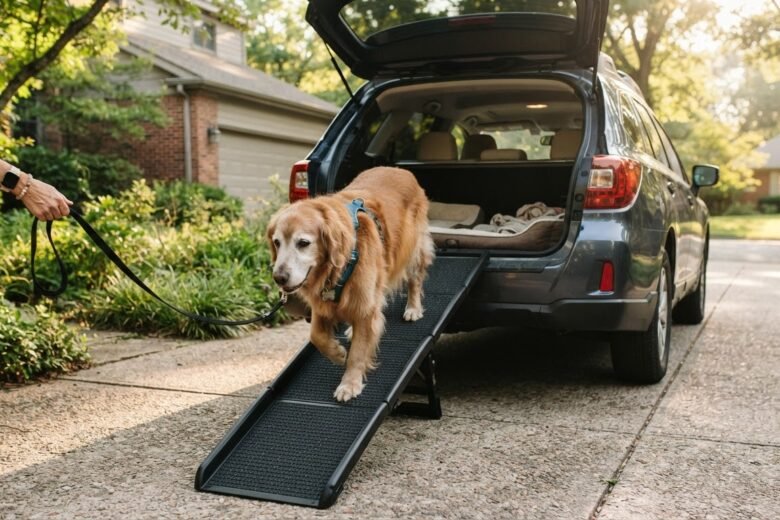
Supplements work best as part of a bigger plan. Keeping your dog at a healthy weight reduces stress on the joints. Short, regular walks are usually better than one long walk. A supportive bed helps too; see our guide to the best orthopedic dog beds. If your dog struggles with car rides, our guide to the best dog ramps for cars and SUVs can help reduce jumping.
Signs your senior dog may have joint pain
- Stiffness after rest, especially in the morning
- Reluctance to climb stairs or jump into the car
- Limping or favoring a leg
- Slower walks or lagging behind
- Licking a joint or changes in mood
If you notice these signs, book a vet visit. Sudden or severe lameness needs prompt attention.
Frequently asked questions
Do joint supplements work for senior dogs?
Evidence for glucosamine and chondroitin as pain-relieving supplements in canine osteoarthritis is weak, and a systematic review cited by the Merck Veterinary Manual did not find convincing benefit. Some combination products include other ingredients, but the label should be assessed ingredient by ingredient. Ask your veterinarian whether there is a reason to trial a specific formulation.
How long do joint supplements take to work?
There is no universal response time. Before starting a supplement, agree with your vet on a trial period, what improvement you should track, and when to stop if there is no benefit or side effects occur.
Can I give my dog human glucosamine?
Do not give a human supplement without veterinary approval. Ingredients, concentration, added sweeteners, and dose may be unsuitable for dogs. Bring the exact product label to your appointment so your vet can review the full ingredient list.
What age should a dog start joint supplements?
There is no single age. Large breeds and dogs with a history of joint problems may start earlier. Your vet can advise based on your dog’s breed and health.
Are there side effects?
Some dogs may have digestive upset. Fish oil and other ingredients can interact with medications. Always tell your vet about every supplement your dog takes.
How to read the NASC Quality Seal
The NASC Quality Seal indicates that a supplier has passed an independent quality audit and is subject to requirements for quality control, labeling, adverse-event reporting, and random testing. It is a manufacturing and quality signal, not clinical proof that a supplement treats arthritis.
Related guides
Best orthopedic dog beds · Best dog ramps for cars and SUVs
This article contains affiliate links. As an Amazon Associate, we may earn a commission from qualifying purchases at no extra cost to you. This content is for information only and does not replace advice from a licensed veterinarian.